
Wow! The Phantom browser extension arrived at a time when Solana felt both fast and a little chaotic. The interface is clean and fast, and that first impression hooks you quickly. Initially I thought it would be another wallet that looked pretty but added friction, but then I noticed it handled NFTs and token swaps with surprising smoothness—so much so that many collectors moved faster than they otherwise would. My instinct said the UX was thoughtful, though actually, wait—there are rough edges and phishing tricks that still catch people off guard.
Whoa! Seriously? Yes. The extension makes connecting to marketplaces like Magic Eden feel trivial. Medium-term holders appreciate the pop-up confirmations and the way it groups NFTs and SPL tokens, which reduces wallet clutter. On the other hand, the browser environment itself introduces risks—malicious sites, fake dapps, and clipboard hijackers—that you have to actively manage, and that tension is central to how you should think about browser wallets.
Here’s the thing. The Phantom extension is a convenience-first product designed for everyday NFT users on Solana, and that design choice influences everything from key management to transaction batching. It supports a simple seed phrase backup, optional password lock, and hardware wallet integrations (for higher-security setups), but the moment you put keys near a browser you accept a different threat profile than cold storage. Something felt off about users treating browser convenience as equal to vault-level security—it’s not, and you should treat it accordingly.
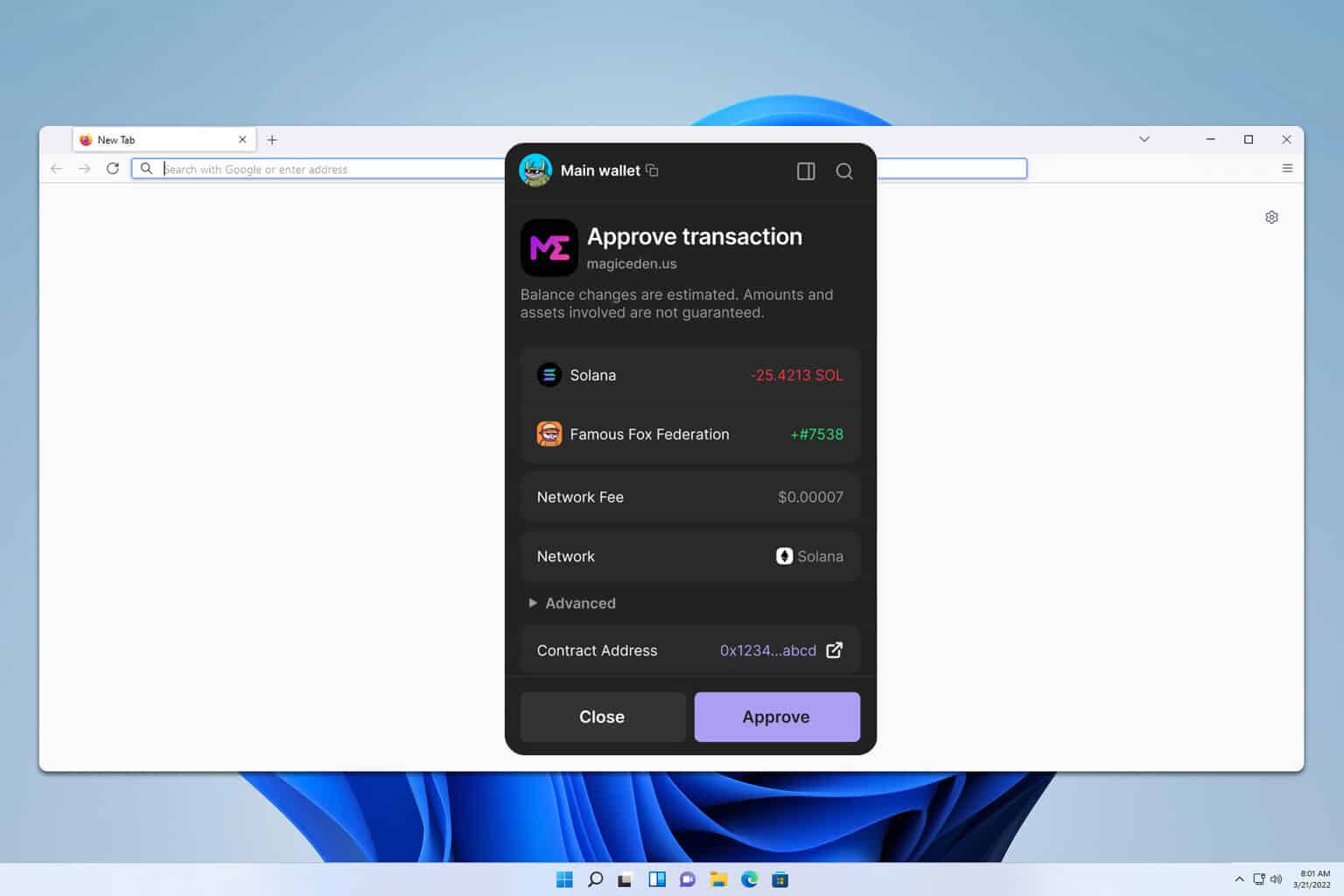
How it works, in plain terms
Phantom injects a small interface into your browser that acts as the bridge between your keys and the Solana network. It signs transactions locally, shows you a preview, and asks for confirmation—usually with clear fee estimates which is a huge help. For NFTs, it parses metadata and displays artwork thumbnails so you can confirm transfers visually, which matters when you buy and sell quickly during drops. There are good defaults, like caching recent connections to dapps, but those defaults can become bad habits if you never audit connected sites.
Okay, so check this out—if you’ve not installed a wallet extension before, one very practical rule is: only install from trusted sources and double-check URLs; fraudsters clone pages all the time. Many seasoned users bookmark their main marketplaces and always navigate there manually rather than clicking ads or social links. I’ll be honest—this part bugs me because it’s preventable, yet people still click things in a hurry during a drop. (oh, and by the way…) If you want the official installer, use the vetted channel: phantom wallet download extension. That link points to a download route; verify the destination and extension ID in the browser store before you proceed.
Hmm… on one hand the extension gives access to DeFi primitives and quick swaps, which is super useful for active users. On the other hand, those same features make it tempting to approve transactions without reading them, especially under time pressure. Initially I thought transaction previews were enough to prevent mistakes, but then realized many attacks rely on social engineering where users are asked to approve multi-step signatures or to sign messages that grant token approvals. It’s a nuanced trade-off between speed and safety.
Security habits that actually help
Short checklist: use a strong password for the extension, enable hardware-wallet linking when possible, and never paste your seed phrase into any webpage. Seriously—never. People sometimes forget that a browser can be compromised by an extension or malicious script, and once a phrase is exposed, it’s over. Also, consider creating separate wallets for day-to-day trading and long-term holdings; this limits blast radius if one account is compromised.
My advice is procedural: treat the extension like a frontend. Verify contract addresses on the marketplace, review transaction amounts and recipients, and disconnect sites you no longer use. On the analytical side, keep browser and OS patches current and audit your installed extensions—I’ve seen obscure add-ons with wide permissions that are unnecessary. Initially this sounds like overkill, though actually doing it reduces risk significantly.
NFT-specific tips
NFTs on Solana are generally stored as SPL tokens with metadata pointers; Phantom surfaces thumbnails and collection names but doesn’t police metadata authenticity. For high-value drops, cross-check the collection’s official announcements and contract mint address, and use a hardware wallet if you plan to mint a large number of items. If you’re reselling, watch for lazy-mint or escrow patterns that might require extra approvals—read the fine print before you click accept.
Collectors often ask about airdrops and approvals. Pro tip: revoke token approvals you no longer need. This is low-effort but very effective at reducing unauthorized access. There are UI hiccups in some revocation tools, so be patient and double-check the target addresses before confirming any state change.
Performance and UX notes (aka what I like, and what bugs me)
The speed is the killer feature—fast confirmations, low fees most of the time, and a neat UI for viewing NFTs. The wallet’s search and filter functionality for collections is getting better, which helps if you hold many items. But some flows are still clunky: batch actions can be awkward, and recovery flows for corrupted extensions are not always straightforward. I’m biased toward clean UX, so these rough corners stand out to me.
Oh—also the mobile browser story is mixed. Phantom has a mobile app and deep linking, yet the experience doesn’t always match the desktop extension for rapid marketplace browsing. If you’re on the move, consider mobile-first safety measures like strong passcodes and app store verification.
FAQ
Is the Phantom browser extension safe for NFTs?
Short answer: safe enough for most users if you follow best practices. Use the extension with caution: never share your seed phrase, enable hardware wallet where possible, and verify sites before connecting. The convenience is real, but so is the responsibility—treat browser-based keys like hot wallets.
What if the extension is not showing my NFTs?
First check that the NFT’s metadata points to a valid image URL and that the token is in your associated token account. Sometimes caching causes thumbnails to not render; try disconnecting and reconnecting the site or toggling the extension’s permissions. If issues persist, consult support channels for the marketplace or Phantom support resources.
Should I use multiple wallets?
Yes. Splitting activity across wallets limits loss if one gets compromised. Keep a dedicated wallet for long-term storage (ideally hardware-backed) and another for active trading or minting—very very basic risk management, but it works.
